Living LEAN: Lifestyle, Exercise, Attitude, Nutrition

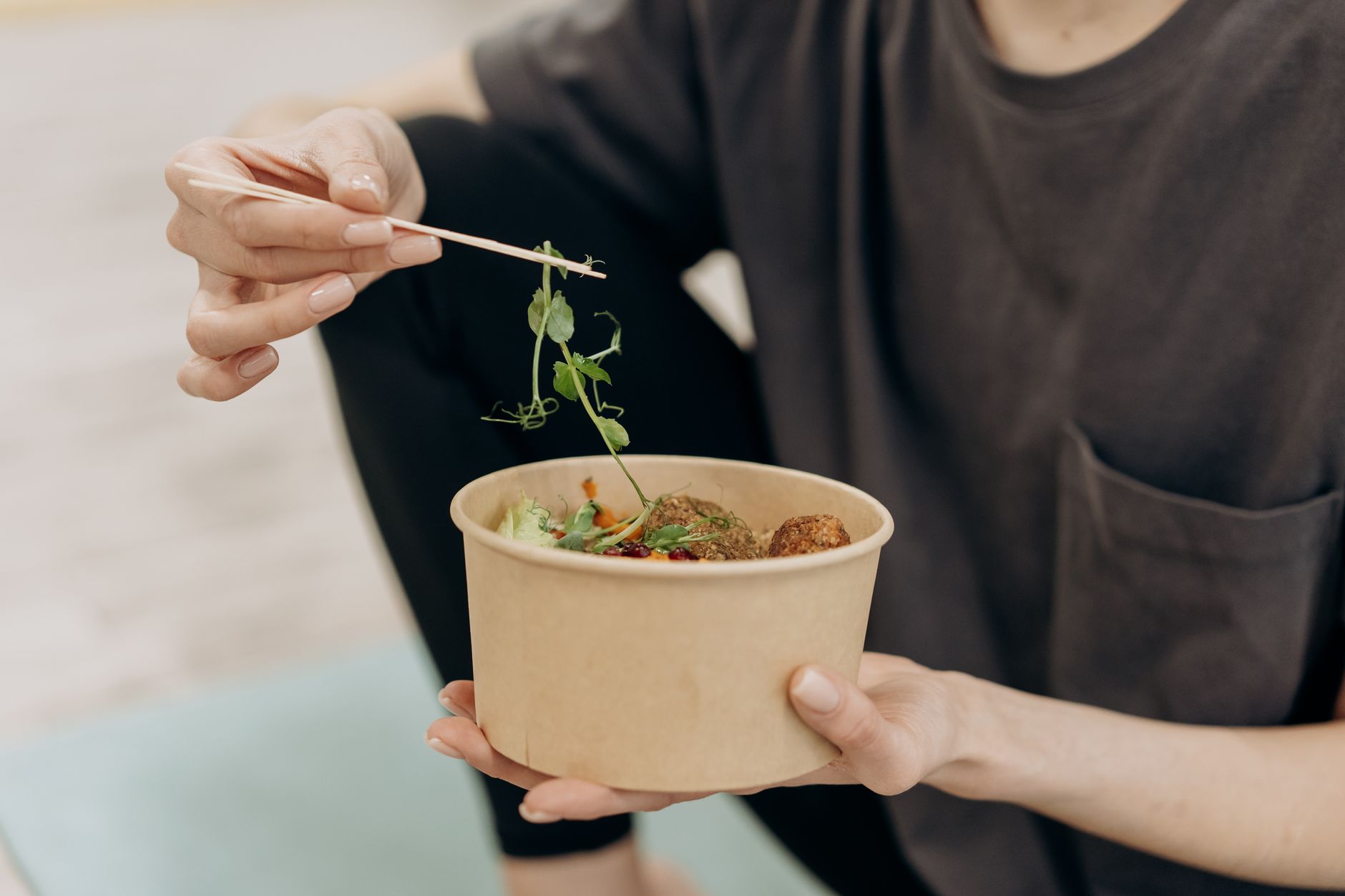
Photo by Wellness Gallery Catalyst Foundation on Pexels.com

I know I’ve talked about this before, but I’m passionate about our bodies’ ability to improve and heal—with a little help from us. Strength training isn’t just for bodybuilders or twenty-somethings at the gym. It’s one of the most powerful tools we have to maintain independence, reduce pain, boost energy, and feel better in our skin as we age. And the best part? It doesn’t take hours in a gym or heavy weights to start seeing and feeling real results.

Whether you’re 45 or 85, your muscles are still listening. They’re ready to work with you, not against you. Let’s take a look at how strength training supports our bodies at every age—and why it’s especially important in our later years.

General Benefits of Strength Training (For All Ages)

  • Increases lean muscle mass, which supports healthy metabolism—even at rest
  • Improves posture and joint stability, reducing the risk of injury
  • Boosts mood and energy, thanks to those feel-good endorphins
  • Supports better blood sugar regulation and cardiovascular health
  • Enhances balance and coordination, which reduces fall risk
  • Can reduce chronic pain, especially in the lower back, knees, and shoulders
  • Builds stronger bones, lowering the risk of osteoporosis

Strength Training in the Elderly: Yes, You Can Build Strength

Think it’s too late to start? Think again.

A groundbreaking study involving 19 elderly individuals—some of whom were nursing home residents—found that after just 8 weeks of strength training, participants increased their muscle strength by up to 174%. Not only did they grow stronger, but they also saw improvements in mobility, stability, and confidence with daily tasks. Some were even able to get up from a chair more easily, walk farther, and live with less discomfort.

Here are some of the incredible benefits of strength training in older adults:

  • Improved muscle strength and mobility, helping with walking, climbing stairs, and daily activities
  • Reduction in joint and chronic pain, especially from arthritis and long-standing conditions
  • Prevention and management of sarcopenia (age-related muscle loss)
  • Improved balance and coordination, reducing fall risk
  • Support for bone health, helping protect against fractures
  • Improved mental clarity and mood, thanks to increased circulation and brain oxygenation
  • Greater independence and quality of life

Busting Common Myths About Strength Training

Let’s clear the air about a few myths that might be holding you back:

Myth 1: “Strength training will make me bulky.” Truth: Unless you’re intentionally training with heavy loads and high calorie intake, strength training won’t bulk you up. It tones and strengthens your muscles, giving you a leaner, more sculpted look.

Myth 2: “I’m too old to start.” Truth: You’re never too old. Studies show that even individuals in their 90s can see measurable improvements in strength and function.

Myth 3: “It’s dangerous.” Truth: When done properly (with good form, light weights or resistance bands, and proper progression), strength training is one of the safest forms of exercise. It can actually protect you from injury by stabilizing your joints and improving balance.

Myth 4: “It’s only for the gym.” Truth: You can get stronger at home! Bodyweight movements, resistance bands, water bottles, or small hand weights are all fantastic tools to get started.

It’s Not About Lifting Heavy—It’s About Lifting Yourself

You don’t need to become a powerlifter to reap the benefits. Strength training is simply about helping your body feel strong, supported, and more capable—no matter your age or fitness level.

If you’ve been hesitant to start, let’s change that. I offer gentle, supportive coaching designed to meet you right where you are. We’ll find an action plan that feels good and sustainable, with guidance, accountability, and encouragement to help you move forward. While not a fitness trainer I am a Certified Health Coach and can help you meet your goals.

Ready to feel stronger and more empowered in your body?Let’s work together. Message me to learn more about my coaching options and how we can build strength for your best years yet. lisa@bringingbackdinner.com or schedule an online or in person session – Schedule.

Food for Gut Health

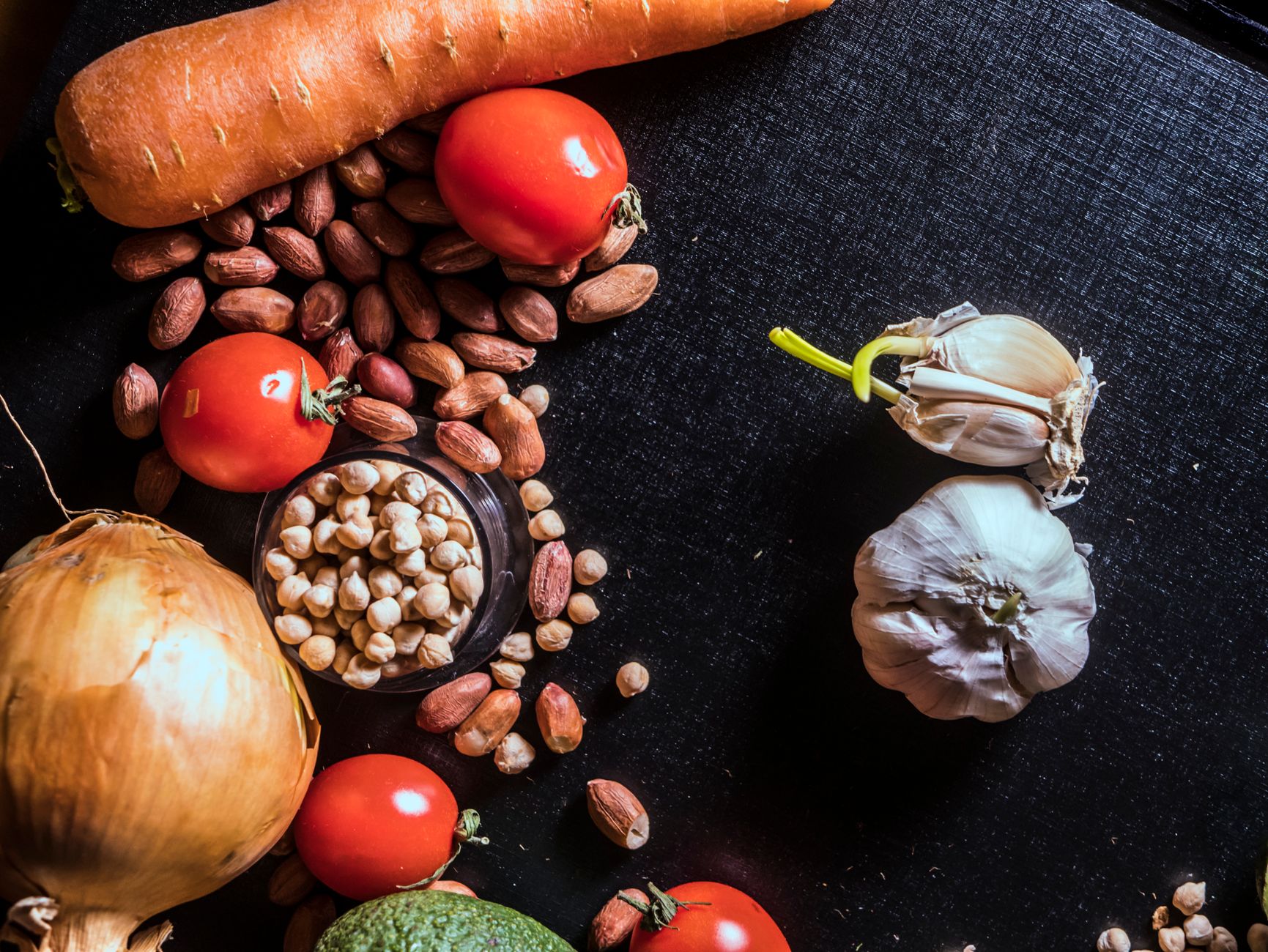
healthy food
Photo by Mike on Pexels.com

New science and research in recent years has proved that our gut (aka digestive system) is much more complex than we realized and impacts our entire bodies. A healthy gut helps provide a strong immune system, healthy heart and brain, and better mood and sleep.

It is said that over 70% of immune cells are found in the gastrointestinal tract. This is why many people have also found that improving their gut health improves their autoimmune conditions.

The gut wall acts as a barrier to viruses, fungi and harmful bacteria and sometimes gets “out of whack”. But we can take actions to help heal our guts and keep healthy guts.

Some of the signs that your gut may be unhealthy:

  • Frequent discomfort, bloating, gas, constipation or diarrhea 
  • Unintentional weight loss or weight gain
  •  Chronic fatigue and low energy 
  • Skin conditions such as eczema, acne or psoriasis
  • Trouble sleeping at night
  • Frequent headaches/migraines
  • Food intolerances or sensitivities 
  • Autoimmune issues
  • Extreme cravings, especially for carbs and sugar
  • Frequent mood changes

The gut is filled with bacteria, which is not a bad thing. There are

good gut bacteria that actually help your digestive system to do its job. So, one focus needs to be eating & feeding those good bacteria, particularly with fermented foods. Another focus needs to be adequate fiber & water intake for proper regular elimination.

Here are some specific foods to keep your gut happy:

  • Kombucha – A fermented tea beverage fermented with a culture called a Scoby – yeast and bacteria mix.
  • Miso – A fermented soybean paste used in traditional Japanese cooking. With an Umami sensation. I keep miso on had at all times. Not only do i make homemade miso soup, but I also add it to sauces for the umami boost – like chicken and dumplings! So good!
  • Saurekraut – Cabbage that has been fermented with lactic acid bacteria. While it is often associated with German food now, it originated in China over 2000 years ago.
  • Kimchi – A Korean dish of salted and fermented vegetables, including cabbage and radishes. Once we got over the new smell and idea of it we have become big kimchi fans and especially like it on a grilled cheese sandwich or on tacos.
  • Tempeh – Is a staple in Indonesian food and thought to be a by-product of tofu making originally. We use tempeh to make vegetarian Reubens.
  • Beans
  • Broccoli
  • Berries
  • Apples
  • Whole Grains

One of the additional ways you can help your gut is by supplementing with Probiotics and prebiotics, along with healthy food choices.

Probiotics are live microorganisms that can be consumed through

fermented foods or supplements. When taken in sufficient amounts,

they can help restore the natural balance of gut bacteria.

Prebiotics are a form of dietary fiber that feeds the “friendly” bacteria

in your gut. This allows your gut bacteria to produce nutrients for

your colon cells, which leads to a healthier digestive system.

I use the Shaklee pre and pro-biotics daily, and for me, it makes a big difference.

Don’t forget to stay hydrated! Drinking water can help keep your digestive system running smoothly.

Kimchi Grilled Cheese Sandwiches – Don’t say eww until you’ve tried it. So yum!

2 sandwiches

4 slices of bread

2-4 slices of your favorite cheese

4 tablespoons kimchi

1/4 cup frozen spinach

3 Tablespoons chopped onions

Optional: 1 Tbsp pickled jalapenos

2 Tbsp mayonnaise

  1. Sauté the onions until tender, add the spinach, jalapenos, and kimchi, and heat through.
  2. Mix the kimchi mixture with the mayonnaise and blend well.
  3. Top one slice of bread with cheese and half of the kimchi mixture.
  4. Top with the other slice of cheese, if using.
  5. Butter the outsides of the bread and grill until golden brown.

Enjoy!

Using Mindful Eating to Battle Food Guilt!

Person eating
Photo by Mikhail Nilov on Pexels.com

Mindful Eating is defined by the Center for Mindful Eating as “Mindfulness is the capacity to bring full attention and awareness to one’s experience, in the moment, without judgment. Mindful Eating brings mindfulness to food choice and the experience of eating.” Did you catch that? Without Judgment!!!

I am a big proponent of learning to listen to our bodies and of being loving and kind to ourselves, and I believe that out of this self-love we will take better care of ourselves. One of the biggest stumbling blocks can be shame and guilt related to eating. Learning Mindful Eating can help battle food guilt and be kind to ourselves.

“In my food world, there is no fear of guilt, only Joy and balance” – Ellie Krieger

On your wellness journey, make a choice to have a habit of including more nutritionally dense foods like whole food, plant-based foods into your lifestyle. You will find that the more you eat nutritionally dense foods, the more you will long for them, and you may feel better too! But don’t make this a stumbling block to enjoying your food.

Make room for treats too, enjoy them guilt-free. Remind yourself that this isn’t how you always eat and that you are having a treat, then allow yourself to truly enjoy it. It is about balance and freedom. The Dr. Sears Wellness Institute calls them Red foods, like the stop light. Red means to stop. It doesn’t mean you can’t have it; you just stop and think about it and enjoy Red Light foods occasionally. The key word “Enjoy” – no guilt, just enjoy it!

When you eat, ask yourself:

  • How does it smell? What do I smell?
  • How does it look? Is it pretty or creative?
  • Does it bring back memories? Does it make me feel any certain emotion? Why?
  • Am I actually hungry at the moment? Would I like to eat now, or is later better?
  • Is my brain in a battle over the should’s and should nots? Do I feel guilt? Can I give myself permission to let it go?

These are some of the things we consider in Mindful Eating, allowing our senses to fully soak in the experience.

Learning to Eat Mindfully:

  • Helps you learn to listen to your body’s cues. Hunger, thirst, tired, anxious etc.
  • Helps us slow down when we eat
  • Helps create gratitude for our meals
  • Helps us recognize how we feel in response to our meal
  • Helps us eat in moderation – not too much and not too little
  • Can give us the permission to enjoy our food without guilt or shame

We feel guilt or shame over our food choices because we have been taught that a certain food is “good” or “Bad”. Our goal is to eat foods that nourish our bodies, because they are full of nutrients that our cells need, and we want to properly fuel our bodies. Often this goal becomes imbalanced, making us slaves to the current trend, a current diet, the voices of others, and our own judgment.

You know what?? Food tastes good! It looks good too! We watch all of those cooking shows on TV because it looks good and we can imagine it taste good, we call that mind and eye hunger, and then we put effort into the meals we make because we want them to look good and taste good. It’s good!! There is no shame in this.

So enjoy it!

Exercise: At your next meal, pause…look at the food, is it “Insta worthy”? Then smell it and ask yourself what do you smell? Take one bite and ask yourself what do you taste and how does it feel? Can you identify the spices? Then swallow and think about what your cells are thinking and how it makes you feel. You can think about where the ingredients came from too, let your mind ponder the food.

If you feel yourself feeling guilty, say “5,4,3,2,1 I am practicing balance and joy”! (If you haven’t read the 5 second rule by Mel Robbins, I highly recommend it). Psst – say this out loud!!

If you struggle with food guilt, try using Mindful Eating as a tool to battle it and learn to be loving to yourself, forgiving with yourself, and less judgmental of yourself. Give yourself room for joy and balance.

How did it go? If you struggled, no worries, you have many more meals to practice!

To learn more, read Prinicples of Mindful Eating

Note: This is for the general public. If you struggle with eating dysfunction of any sort following the advice in anyone’s blog or post, including mine, could be more of a struggle for you and lead you to an unhealthy place. If you need help with an eating disorder, please reach out the the National Eating Disorders Association.

*This blog is for education and entertainment and is not meant to diagnose, treat, or mitigate symptoms or to be considered as medical advice.

Let me know how your Mindful practice is going! Comment on this post.

Menu Ideas for the Week

Stuffed Burgers on the Grill

Grilled Sausages, Peppers, and Potatoes

Grilled Scallops

Grilled Salmon Salad

Easiest Ever Veggie Burgers

Chipotle Pineapple Bang Bang Chicken Skewers

Plant-Based Meals:

Grilled Corn & Zucchini Salad with Sun-Dried Tomato Vinaigrette

Peanut Thai Salad w/ Grilled Tofu

Stacked Tomato, Summer Vegetable and Grilled Bread Salad

Grilled Buffalo Cauliflower Sandwiches

A Look at Superfoods: Salmon

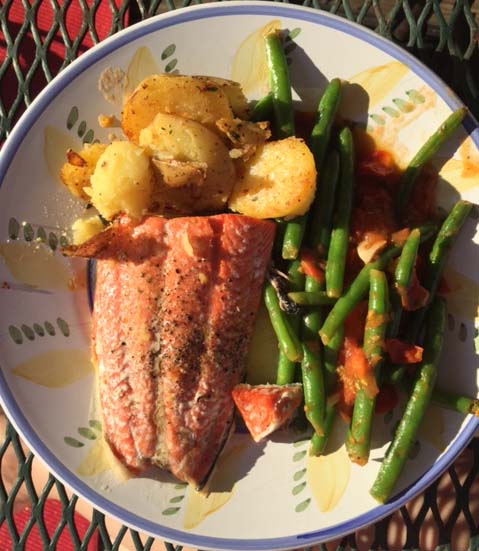
bbd salmon2

TRIVIA & TIDBITS

  • The Chinook Salmon is Oregon’s State fish.
  • Wild salmon are pinker because of their diet which is richer in Astaxanthin, like eating lots of carrots and turning orange.
  • People who eat foods high in Omega 3 tend to have longer Telomeres.  Telomeres are protective caps of repetitive DNA at the end of chromosomes and the length of telomeres. Telomeres shortening is associated with mortality, aging, and related diseases.
  • Plants with Omega 3 are healthy, but have Alpha Linolenic Acid (ALA) and not EPA and DHA found in fatty fishes.  EPA/DHA is utilized in our bodies “as is”, but ALA must be converted by our bodies in to EPA/DHA before being utilized.  In the conversion process only about 4% of the Omega-3 are converted to DHA.
  • Wild fish have healthier Omega 3 profiles, are higher in vitamin D, are naturally pinker (more astaxanthin), lower in saturated fats, and not as fatty in general as most farm raised fish.
  • Worried about safe fish?  Here is a pocket resource guide from Monterey Bay Aquarium.
  • Wild Caught Alaskan Salmon has the lowest mercury, below 216 parts per billion.

WHAT’S IN IT FOR ME?

Omega 3 Fatty Acids – The benefits of Omega 3 fatty acids are so numerous that I have provide a link to help get you started learning about it.  I recommend Dr. William Sears book The Omega-3 Effect.

B12 – Maintains healthy nerves and red blood cells, maintain energy levels, is important for healthy cardiovascular health, keeps skin and hair healthy, may help mood.

Vitamin D –  Helps regulate calcium and phosphorus absorption, maintains health teeth and bones, facilitates normal immune function, improved resistance against certain diseases,  may help fight depression and help with weight loss

Astaxanthin – Called the King of Carotenoid (the pigments that give many healthy foods their color) helps keep a strong brain, healthy eyes, supports the immune system, helps keep the lining of the blood vessels smooth, help keep lipids in balance, protects skin from UV damage, and protects cell membranes.

Protein – Protein serves as building blocks for muscles, bones, cartilage, skin, hormones,  and enzymes.  They increases satiety helping us feel more full.

Iodine – crucial to thyroid function and cell metabolism.

Coline – important for normal liver function, supports normal nerve function, brain development, muscle movement and healthy metabolism.

B5  – is beneficial towards alleviating asthma symptoms,  hair loss, and helps with allergies, stress, anxiety as well as beneficial to a healthy cardiovascular system and respiratory system.

Biotin – (B7) helps thicken nails and hair, helps metabolic function, digestive health, important in fetal development, may improve glucose/ blood sugar balance, beneficial to the nervous system, and improves cholesterol levels.

Potassium – Potassium,  Helps the heart, kidneys, cells, digestive system, muscles, and regulates flood balance and blood pressure.  Potassium has may help reduce the risk of stroke.

Manganese – Benefits bone formation, balance of sex hormones,  important in thyroid function, absorption of calcium, metabolism of fat and carbohydrates, helps the immune system, and is important to function of connective tissues.Selenium –  Our bodies need only trace amounts, but it plays an important role of preventing cellular damage from free radicals and supports a strong immune systemPhosphorus – Works closely with calcium for health bones and teeth, is necessary to make protein for growth and repair of cells, important for muscle contractions, steady heartbeat,  helps the body make ATP.


RECIPES

Miso Glazed Broiled Salmon – The Kitchen/Jacques Pepin

Easy Salmon Recipes – Food and Wine Magazine

Foil Wrapped Side of Salmon with Lemon and Rosemary – Emeril

Crispy Salmon with Fennel Slaw – Food and Wine/ Chef Hugh Acheson

Salmon with Brown Sugar and Mustard Glaze – Bobby Flay

25 Best Salmon Recipes – Coastal Living


A look at Superfoods

What is a Superfood?  A superfood is defined as a nutrient-rich food considered to be especially beneficial for health and well-being – Mcmillian Dictionary.

Dr. William Sears, in his book Prime Time Health, describes Superfoods as:

  • Nutrient Dense
  • Nutrients that have proven benefits
  • Made by nature, not a factory
  • Taste good & satisfying
  • May be able to be prepared in a variety of ways
  • Contains no ingredients harmful to health

While we receive vitamins, minerals, proteins, and essential fats from our foods, some foods have been proven to provide extra health benefits, these foods are the superfoods. They have properties that  may be anti-inflammatory, anticancer, and anti-Alzheimer, lower highs, and raise lows in our body.

Let’s be clear, when I say superfood I do not mean magical foods that cure-all, nor do I  mean a diet consisting of one food, like the old “Grapefruit Diet”.  The truth is, that these foods work best when part of a healthy, whole food, plant-based diet full of variety and by diet I mean lifestyle eating habits, not a short-term solution.  Just eat food that rots, but eat it before it does!


Sources

Inflammation Solution By Dr. William Sears copyright 2015

Prime Time Health – William Sears, MD and Martha Sears RN

Dr Axe Proven Salmon Benefits

Monterey Bay Aquarium


Lisa received her Health Coach Certification from the Dr. Sears Wellness Institute, founded by world-renowned physician and author, Dr. William Sears. The Institute is a leader in science-based health and wellness education that focuses on the four pillars of health; Lifestyle, Exercise, Attitude and Nutrition (L.E.A.N.). A certification by the Dr. Sears Wellness Institute is obtained only after completing the extensive course work and meeting all requirements. Once certified, a Health Coach possesses the knowledge, tools and resources to make a positive difference in the health of others.

The information in this blog is educational and not meant to diagnose, treat, or mitigate symptoms.

Chickpea, Avocado Spread

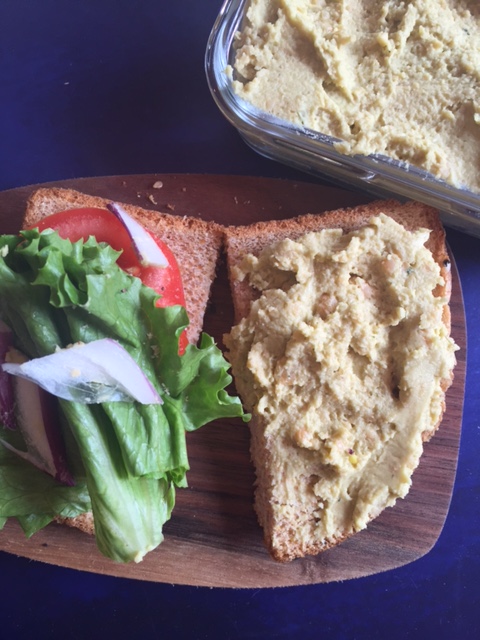
chickpea avocado

I have seen several recipes floating around the internet blending chickpea and avocado to make a sandwich spread and decided to play around with it and see what I thought.   I found it to be good for a sandwich spread, but not all by itself.  I recommend lettuce, tomato, red onion, and sprouts and then use the spread like a thick condiment.

This spread also works well as a hummus type dip with chips.  It is a great way to add more legumes into your diet and utilize the healthy fats found in avocado.   Check out some nutrition info below.

Chickpea (Garbanzo bean) and Avocado Spread

1 can chickpeas, drained and rinsed.  Reserve liquid in case it is needed to thin down the spread

1 avocado

2-3 cloves garlic

juice of 1/2 lemon

1/4 cup Tahini paste

1 tsp fresh Cilantro

Salt and Pepper to taste

Feel free to add other ingredients like hot sauce, jalapenos, red pepper flakes etc. to spice it up a bit!


A little health information

  • Chickpeas are loaded with fiber and potassium.  Just one tablespoon has 2.2 grams of fiber and 109 mg of potassium (per google nutrition).  Chickpeas are also a great source or folic acid and protein and Iron!
  • Avocados sometimes get bad press because they are so fatty, but it is a heart healthy monounsaturated fat. (This doesn’t mean eat all you want, still be wise )  Avocados are rich in vitamins A, B, E, Folic Acid.  Plus Avocados are high in lutein and zeaxanthin which are healthy for your eyes!
  • Tahini is another fatty item that has heart healthy fats in it. 2% of the fat is saturated, but new studies are showing this is not as upsetting as it used to be.  One ounce of Tahini has as much iron as one ounce of liver and has significant levels of calcium, magnesium, phosphorus, and your whole day’s worth of thiamin.

So spread on this dip/spread and enjoy!  You are making good food choices!