A Look at Superfoods: Tomatoes
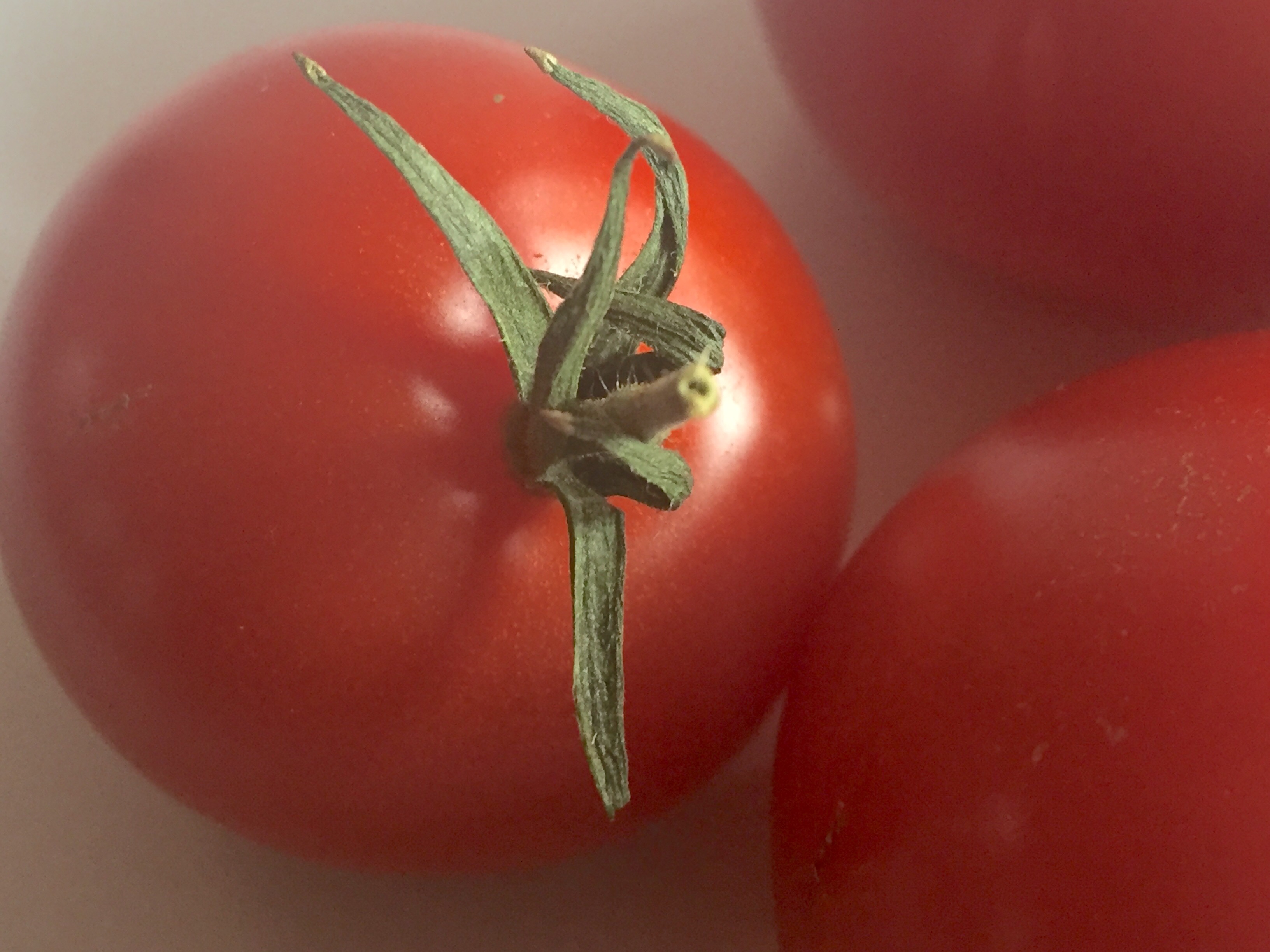
Superfoods: Tomatoes

tomato

A 16 week look at Superfoods


This Week’s Featured Superfood: Tomatoes

Tomatoes have quite the history from being considered poisonous to being caught in the great fruit or vegetable debate, but no matter the drama tomatoes are packed full of healthful nutrients making it one of our 16 superfoods.

What makes Tomatoes so super?

  • Vitamin C  – Good for eye health, cardiovascular health,  repairs and regenerates tissue, decreases LDL, decrease triglycerides, is an antioxidant working against free radicals and may protect against certain types of cancer.  Vitamin C also may help reduce the effects of nitrates in food and aids in the absorption of Iron
  • Vitamin A – Vital in the growth of bone, key for good vision, important for a healthy immune system,  helps our skin and mucus membranes by protecting against bacteria and viruses and is helpful in reproduction.
  • Potassium – Helps the heart, kidneys, digestive system, muscles, and regulates flood balance and blood pressure.  Potassium has may help reduce the risk of stroke.
  • Lycopene – cancer preventing properties, heart healthy properties, protects the skin from UV rays, may be preventative against atherosclerosis and is helpful in preventing the damage of free radicals in the cells.  Healthy oils may help increase absorption of Lycopene.
  • Lutine -Zeaxanthin –  may help prevent age related Macular Degeneration and cataracts and may help prevent clogging of the arteries of the neck.

This makes tomatoes a mighty Superfood!  Enjoy!

Note: Tomatoes are often Genetically Modified, while the USDA says GMO’s are safe it is my personal feeling that there is not enough evidence either way and when in doubt it is better to be more conservative in your choice.  That said, if you are unable to find Non-GMO tomatoes please eat the tomato, it is too rich in vitamins and nutrients to pass it by.

Recipes

Bruchetta – The Pioneer Woman

Crapese Salad Skewers – The Gingham Apron

Stuffed Tomatoes – Sunny Anderson

Gazpacho – Wolfgang Puck

Sausage Meatballs with Red Gravy – Emeril  (This recipe may be adapted to make it healthier)

Classic Marinara Sauce – NY Times

And don’t forget the basic Tomato sandwich!


Fruit or vegetable? Botanically speaking, fruit.  But…under customs law they are vegetables.  To learn more visit NPR’s “When the Supreme Court Decided Fruits Were Vegetables”.

Tomatoes are part of the dangerous Night Shade family and were considered to be poisonous at one time, mainly by the British and early Americans.  Though the tomato itself is safe, the leaves are not and should not be consumed.


What is a Superfood?  A superfood is defined as a nutrient-rich food considered to be especially beneficial for health and well-being – Mcmillian Dictionary.

Dr. William Sears, in his book Prime Time Health, describes Superfoods as:

  • Nutrient Dense
  • Nutrients that have proven benefits
  • Made by nature, not a factory
  • Taste good & satisfying
  • May be able to be prepared in a variety of ways
  • Contains no ingredients harmful to health

While we receive vitamins, minerals, proteins, and essential fats from our foods, some foods have been proven to provide extra health benefits, these foods are the superfoods. They have properties that  may be anti-inflammatory, anticancer, and anti-Alzheimer, lower highs, and raise lows in our body.

Let’s be clear, when I say superfood I do not mean magical foods that cure-all, nor do I  mean a diet consisting of one food, like the old “Grapefruit Diet”.  The truth is, that these foods work best when part of a healthy, whole food, plant-based diet full of variety and by diet I mean lifestyle eating habits, not a short-term solution.  Just eat food that rots, but eat it before it does!

Need Potassium? Eat your Veg!

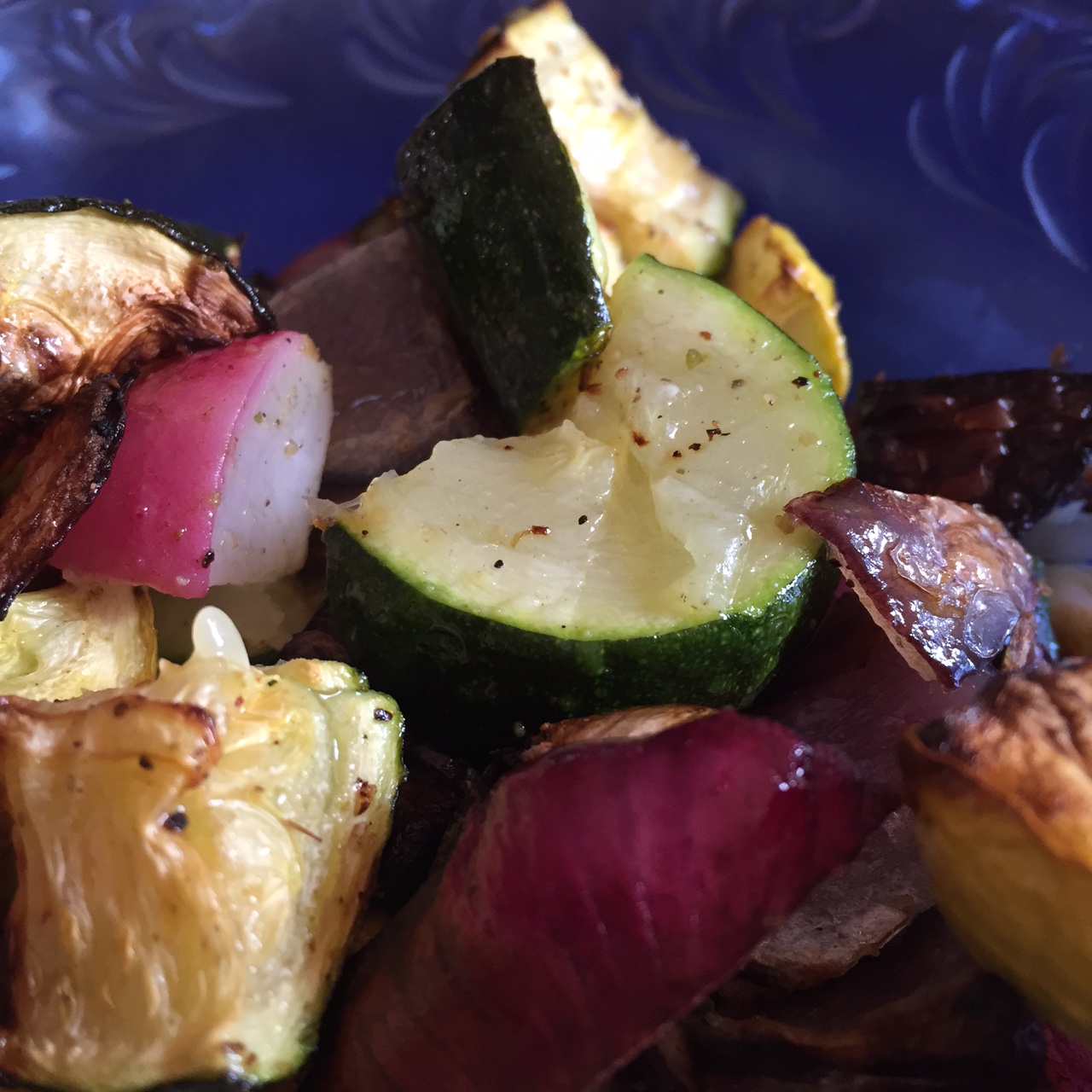
Roasted Vegetables 

veg
Recipe below

According to http://www.nutritionfacts.org less than 2% of Americans meet their recommended  minimum adequate intake of potassium.   This is in large part to our avoidance of veggies!  So, what’s the big deal you ask?  I thought potassium was just for cramps.  I don’t have cramps; so, I’m good right?  Wrong.  Let’s have a crash course in potassium.

Potassium – “It is also an electrolyte, a substance that conducts electricity in the body, along with sodium, chloride, calcium, and magnesium. Potassium is crucial to heart function and plays a key role in skeletal and smooth muscle contraction, making it important for normal digestive and muscular function”. – University of Maryland.

Ok, so what does it do?

  • Helps maintain the balance of electrolytes in your body
  • Helps your kidneys filter blood
  • Helps the heart beat
  • Helps manage blood pressure
  • Helps the muscles contract
  • Helps deliver oxygen to the brain which helps your cognitive abilities
  • Helps metabolism by helping to release energy from protein, carbs, and fats
  • Helps your nervous system

Wow, that’s a lot!  It looks like potassium is more important that I thought!  How do I get more in my diet? Eat your veggies!

It is important to have a healthy balance of potassium, sodium, magnesium, and calcium and the best way to get this balance is trough a variety of whole food! Real foods; eat all the colors! in other words, eat food that rots, but eat it before it does and you will be on your way to reaching your goals.

You don’t have to eat bananas all day to get your potassium, it can be found in many foods.  Here are a few:

  • Dark greens
  • Beans
  • Blackstrap Molasses
  • Potatoes
  • Bananas
  • Fish
  • Prunes
  • Zucchini
  • Milk
  • Yellow Squash
  • Sweet Potatoes
  • Tomato sauces (watch the sodium)
  • Yogurt
  • Clams
  • Orange Juice

All of these foods are packed with other nutrients our bodies need too.  To get the most out of your foods try putting foods together that help the body better absorb the nutrients, such as olive oil on your veg to help your body better absorb fat soluable vitamins like A, D, E and K or eat vitamin C with Iron rich food to help your body better absorb the iron. Try serving broccoli with your steak!

Here is a potassium packed dish to get you started:

Roasted Vegetables, 1-2 servings – I eat this as one serving as part of a yummy lunch!

  • 1 zucchini
  • 1 yellow, crook neck squash
  • 1/2 onion
  • 1 large radish
  • 1/2 cup mushrooms
  • 1/4 – 1/2 tsp Olive Oil

Chop the vegetables in large chunks and toss in olive oil and your favorite seasoning, I used Greek Seasoning from Penzey’s spices.  Then Roast at 425 for 15 minutes or desired firmness. The crispier the better! That is it!  It is very easy to roast vegetables and it brings out amazing flavor.

According to Caloriecount.com this one bowl of veggies comes in at 1, 159 mg of potassium.  The daily recommendation is 4700, so it isn’t enough, but it is a good start. Plus it has 6.5 g protein, 6.4 g fiber,  785 IU vitamin A, 75 mg vitamin C,  81 mg Calcium, and  2.8 mg Iron!  That is a powerhouse bowl of veggies!

Try adding kale to your smoothies and finding a way to add fruits and veggies to every meal.  If you do this on a regular basis, your taste buds will begin to love it and your body will crave it, and you will find it is easy to meet your potassium needs.

Today I had the veggies above and a smoothie with homemade yogurt, strawberries, banana, a cup of kale, 1 cup of milk and 2 scoops Shaklee Life Shake.  This brought my potassium up to  3028 mg for the day so far!  Looking good!


I try to buy organic veg etables and non-gmo foods because I feel it is the best choice for our family, but they can be more expensive and it is better to eat your veggies then to skip them all together because organic was too expensive.  Do what you can as you can!